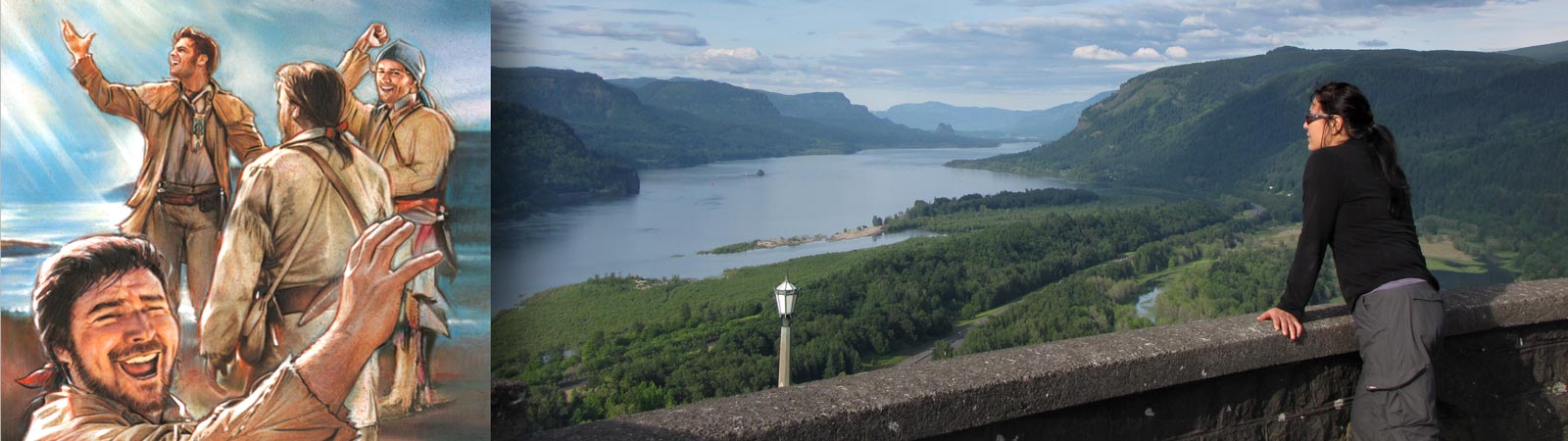
In the Pacific Northwest
- State-of-the-art visitor centers and museums that bring alive the epic adventure
- National and state parks for that Perfect Vacation
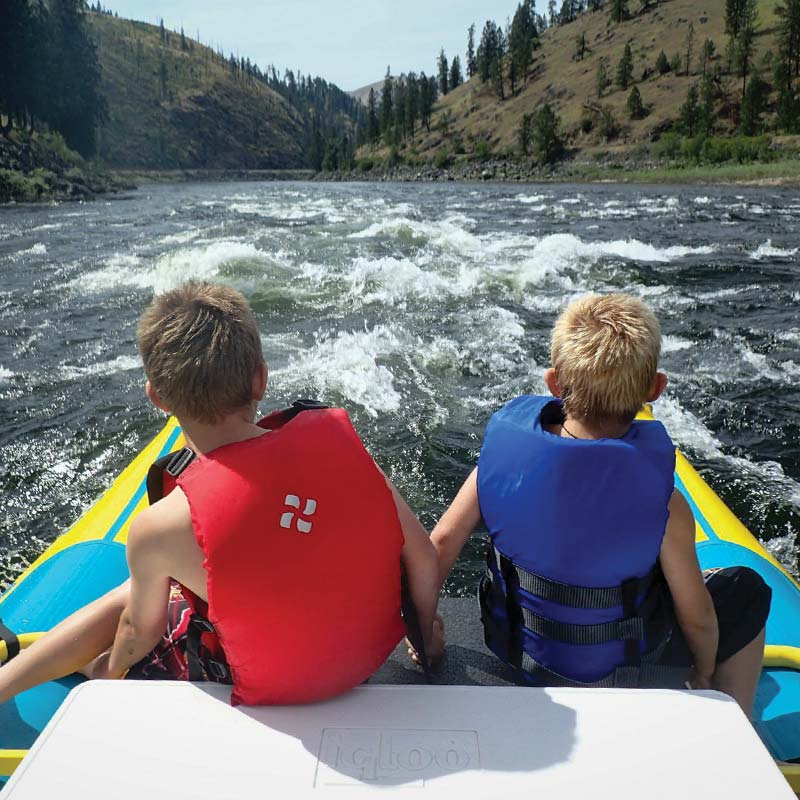
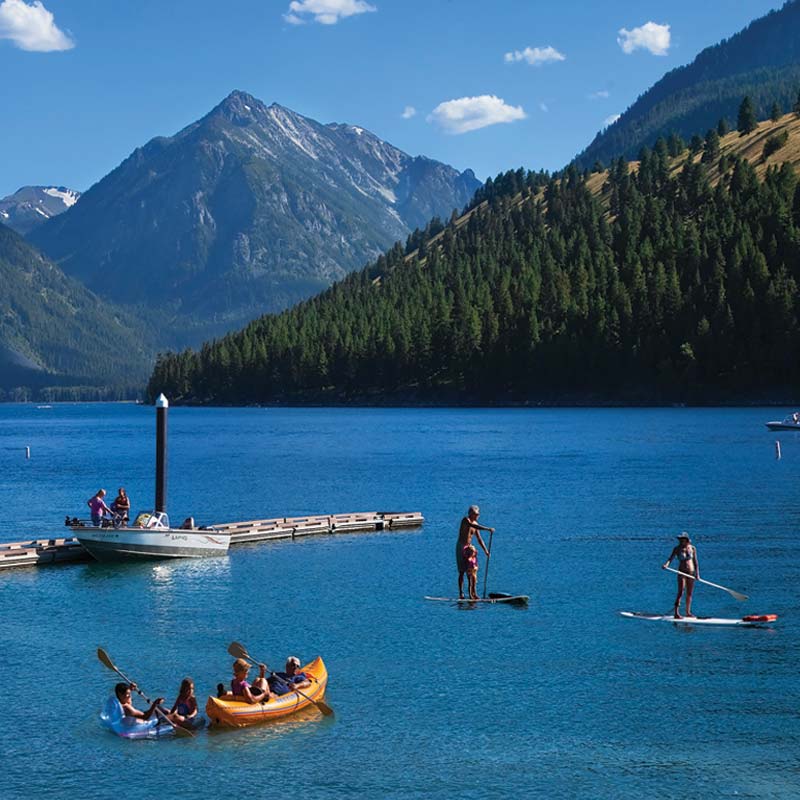
- Pristine lakes and rivers for fishing, skiing and boating
- Spectacular ocean beaches
- Miles and miles of scenic hiking trails
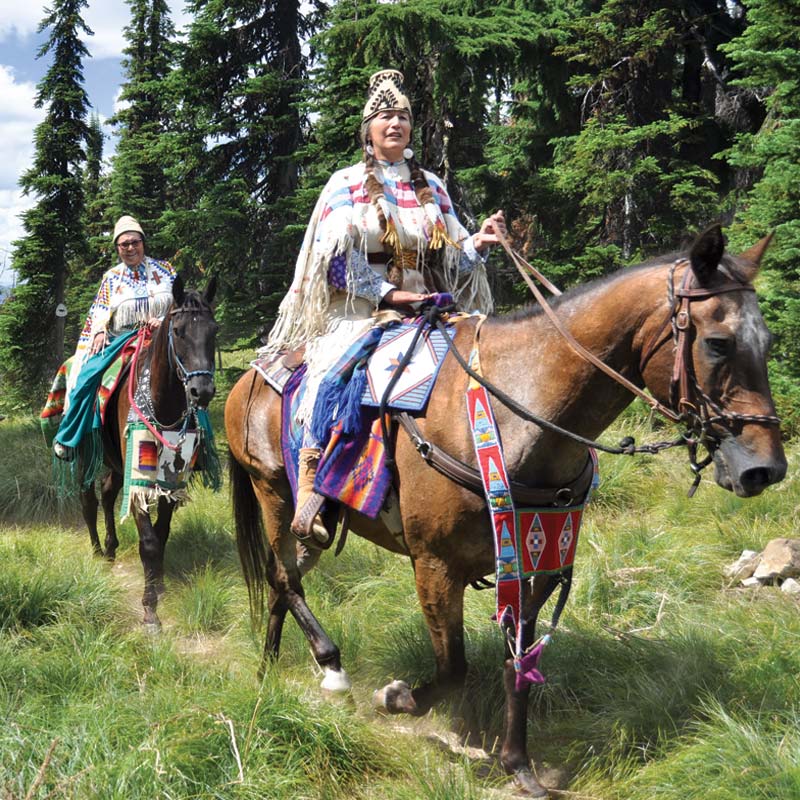
- Native American cultural centers and events
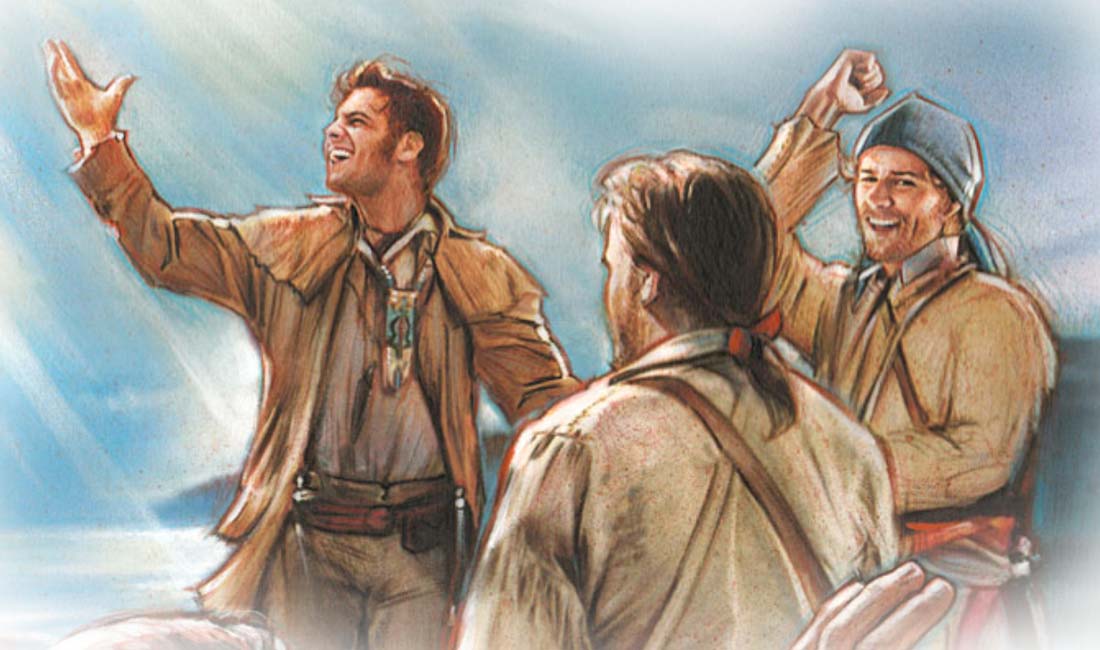
“Catch the Spirit” with a Lewis and Clark adventure!
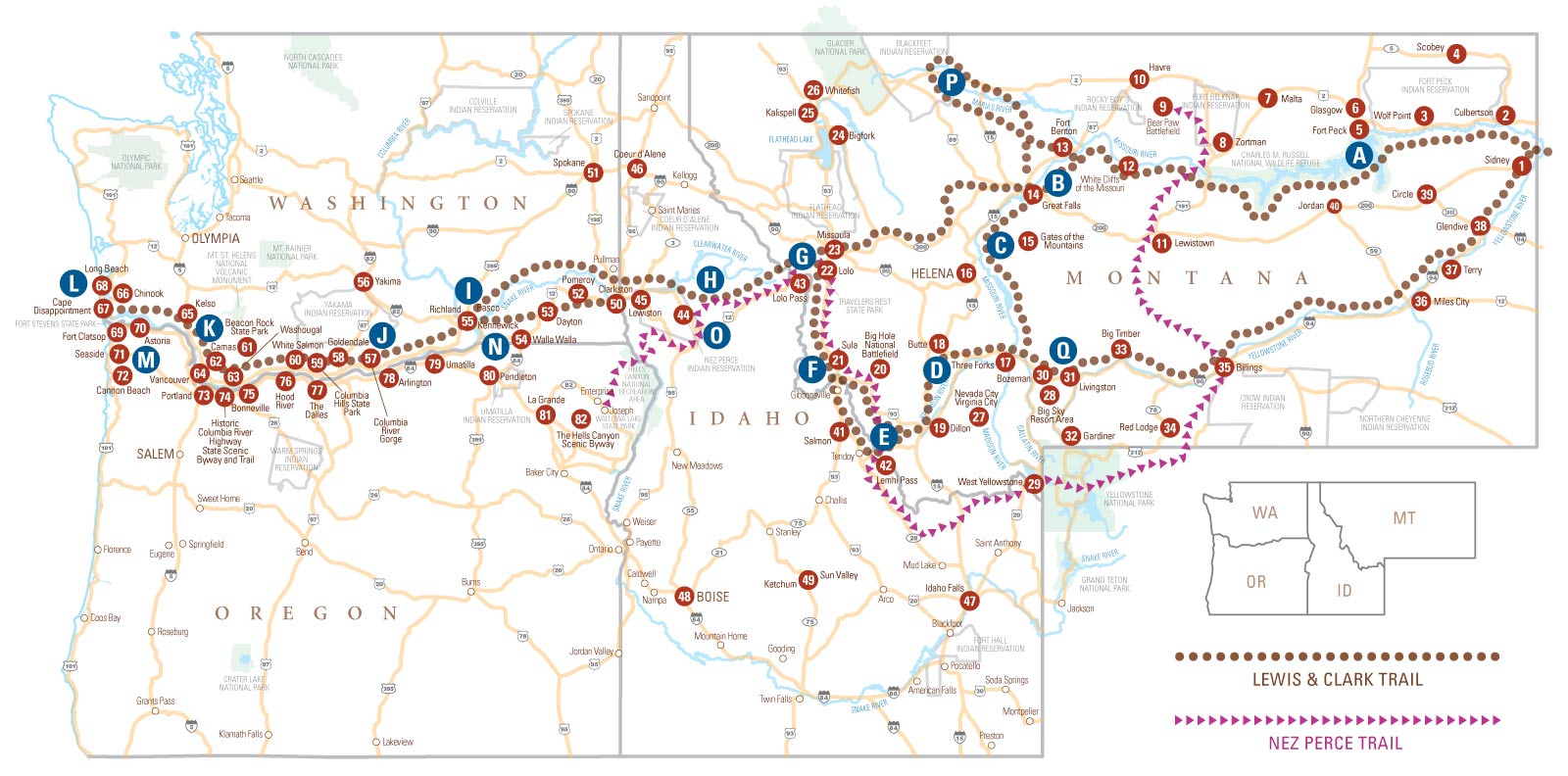
Scroll down the page to view a comprehensive listing of must-see attractions along the Pacific Northwest portion of the Lewis and Clark trail.
Attractions By State
Montana
1. Sidney
On MT 200. MonDak Heritage Center and Museum at Sidney.
At Fairview on MT 201 see the Fairview Walking Bridge over the historic Yellowstone River and the Cartwright Railroad Tunnel.
2. Culbertson
On US 2. Features the Culbertson Museum.
A Lewis and Clark Trail Interpretive Site is on MT 16.
3. Wolf Point
On US 2. Fort Peck Indian Reservation, Wolf Point Area Museum plus the Wild Horse Stampede, one of the West’s most colorful rodeos.
4. Scobey
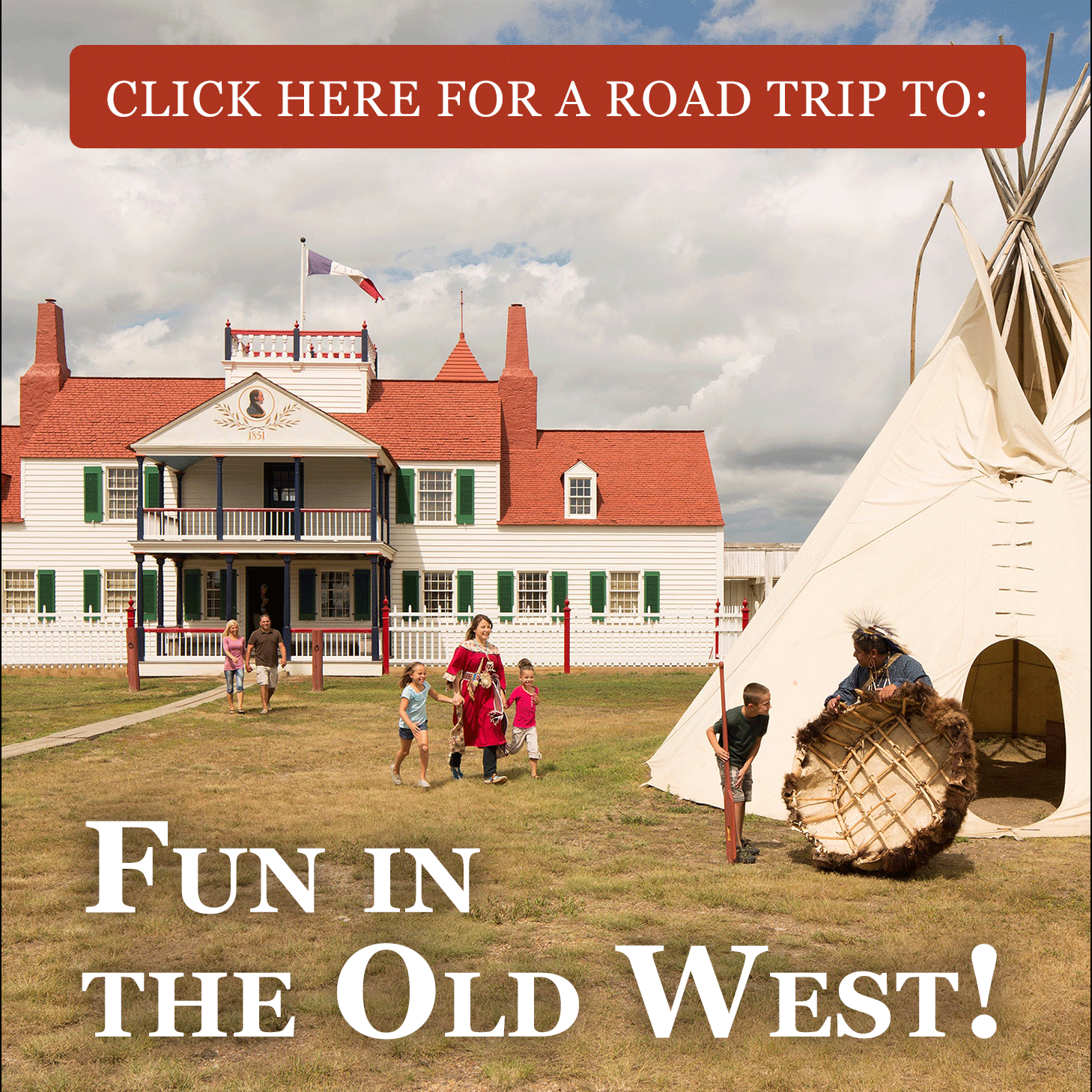
North of Wolf Point on MT 13, features the Daniels County Museum and Pioneer Town which includes 35 buildings depicting turn-of-the-century businesses and homes.
5. Fort Peck
South of US 2 at Nashua on HWY 117.
Fort Peck includes the Fort Peck Dam and Lake, Fort Peck Interpretive Center (a Montana Dinosaur Trail Member), a Lewis and Clark Outlook and Milk River Observation Point. The Charles M. Russell National Wildlife Refuge surrounds the huge Missouri River Reservoir that is 135 miles in length, includes 1,520 miles of shoreline, and covers over one million acres.
6. Glasgow
On US 2. Valley County Pioneer Museum with an Assiniboine display, plus the Children’s Museum of Northeast Montana.
7. Malta
On US 2. Includes the Great Plains Dinosaur Museum and the Phillips County Museum.
8. Zortman
South of the Malta on US 191 is an old Gold Rush town where visitors can pan for gold.
The Fort Belknap Indian Reservation west of Zortman off of US 2 features the Mission Canyon Natural Bridge.
9. Bear Paw Battlefield
On MT 240 south of Chinook.
This historic site commemorates the final conflict of the 1877 war and flight of the Nez Perce and is a key stop along the Nez Perce (Nee-Me-Poo) National Historic Trail. A historical marker and trail system are located where approximately 800 Nez Perce ceased their fight after a five-day battle.
10. Havre
On US 2. 10,000-acre Beaver Creek Park, Fresno Reservoir, Havre Beneath the Streets, H. Earl Clack Museum, Wahkpa Chu’gn Buffalo Jump and Fort Assinniboine. The Rocky Boy’s Reservation south of Havre off US 87 features an August powwow.
11. Lewistown
South of Malta on US 191 or east of Great Falls on US 87.
Charlie Russell Chew Choo Dinner Train plus the nearby ghost towns of Maiden, Giltedge and Kendall.
12. White Cliffs of the Missouri
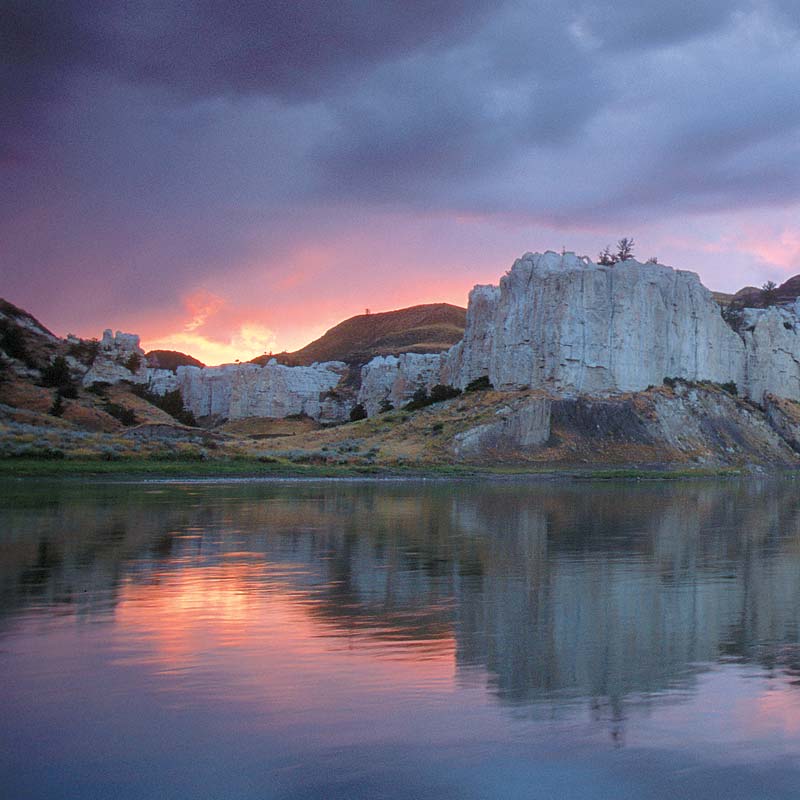
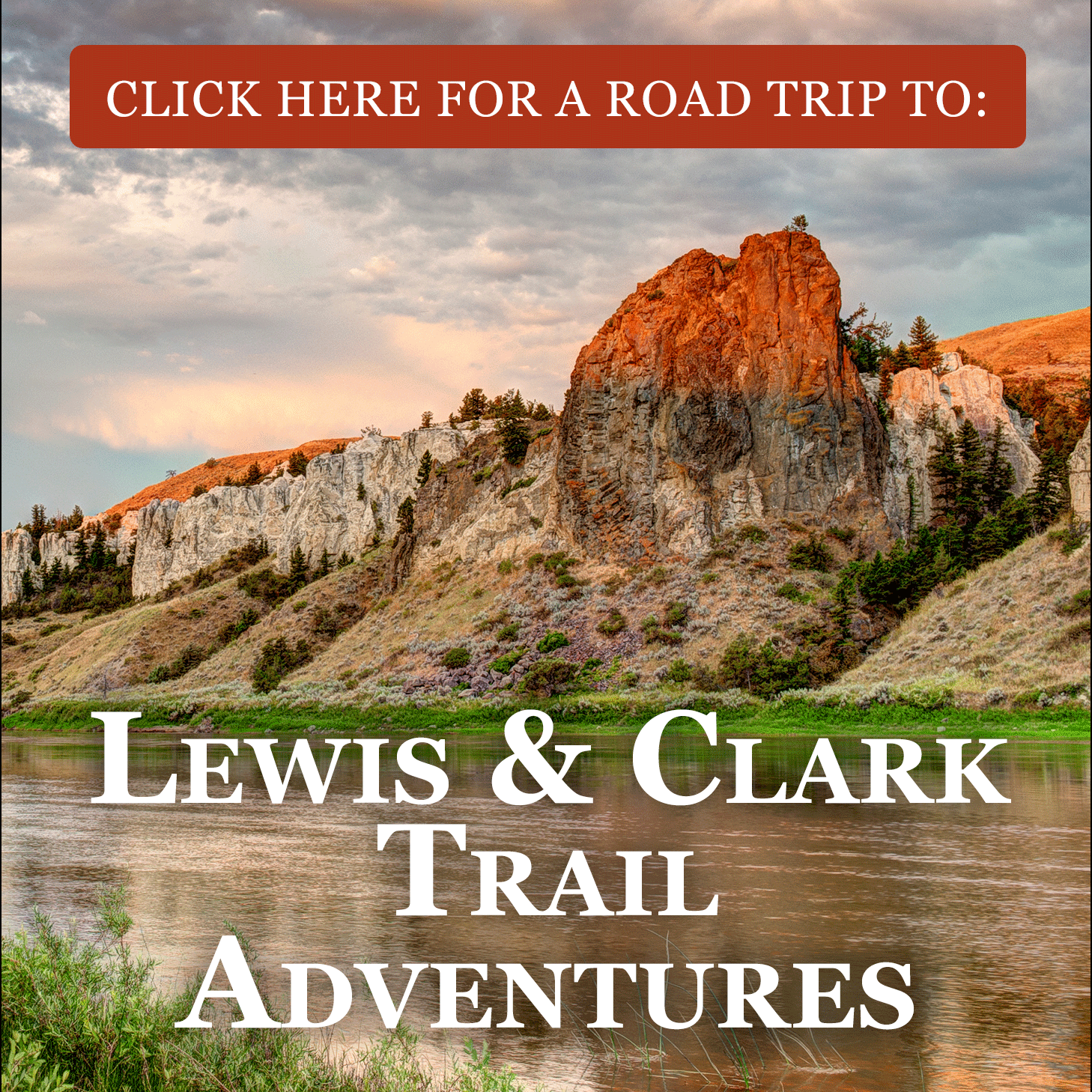
Off of US 87. Unique geological formations of white sandstone overlooking the Missouri River Lewis described as a “visionary inchantment.”
Accessible only by water, the White Cliffs will provide a memorable multi-day camping trip.
13. Fort Benton
On US 87. A National Historic Landmark City and gateway to the Upper Missouri Breaks National Monument.
The Monument and Interpretive Center is a key stop on the Lewis and Clark Trail and parallels the Upper Missouri National Wild and Scenic River that runs 149 miles downriver. Fort Benton includes the Museum of the Northern Great Plains, the Starr Gallery of Western Art and a river levee trail with sculptures and interpretive panels with Nez Perce (Nee-Me-Poo) National Historic Trail history.
14. Great Falls
On I-15/US 87. The Lewis and Clark National Historic Trail Interpretive Center is a major stop on the entire length of the Trail.
The Center also includes the Lewis and Clark Trail Heritage Foundation office and extensive historical library. The portage of five falls of the Missouri River was back-breaking work for the Corps that took a month to master. Four of the falls can be enjoyed today along walkways and overlooks through the heart of the city. The 18-mile portage route is a National Historic Landmark. Giant Springs State Park, next to the interpretive center, is the location for the annual Lewis and Clark Festival which brings the epic story alive.
EASTERN GATEWAY TO GLACIER
Visitors can journey off the Trail from Great Falls on US 89 or I-15 or US 2 through Shelby. Shelby features the Marias Museum of History and Art. Browning on US 2 is the main community of the Blackfeet Indian Reservation and includes the Blackfeet Heritage Center and Art Gallery and the Museum of the Plains Indian.
15. Gates of the Mountains
North of Helena on I-15. Today’s travelers can board a tour boat to relive the Corps’ voyage through the Missouri River Canyon with its 1,200-foot high cliffs.
16. Helena
On I-15. Montana’s capitol city traces its history to the 1864 discovery of gold at Last Chance Gulch.
The capitol dome is covered with copper and the Main Street is still known as Last Chance Gulch. The Montana Historical Society Museum has a superb collection of C.M. Russell art as well as Native American art and exhibits.
17. Three Forks
On I-90. Lewis and Clark named the Jefferson, Gallatin and Madison Rivers at the headwaters of the Missouri River. The town of Three Forks features the Headwater Heritage Museum, with three state parks nearby.
18. Butte
On I-15/I-90. Known as the “Richest Hill on Earth” where copper, gold and silver were mined.
Featuring the World Museum of Mining, Old No. 1 Trolley Tours, the Copper King Mansion and Old Butte Adventure Historical Tours.
19. Dillon
On I-15. Lewis and Clark met with the Shoshone Indians at Camp Fortunate, now submerged under the Clark Canyon Reservoir 20 miles south of Dillon.
The Visitor Center, County Museum, Beaverhead Rock, Clark Lookout State Park and the Lemhi Pass National Historical Landmark each chronicle Corps of Discovery events that occurred in 1805. Nearby Bannack State Park is a well-preserved ghost town.
20. Big Hole National Battlefield
On MT 43 north of Bannack on the Nez Perce (Nee-Me-Poo) National Historic Trail is a major stop within Nez Perce National Historic Park.
The site has an inspiring memorial to the Nez Perce who fought the U.S. Calvary during their epic flight to Canada leading to exile in Oklahoma.
21. Sula (Ross’ Hole)
Going north from Lemhi Pass, Lewis and Clark rode out of the rugged mountain ridges and deep valleys and dropped down into the Bitterroot Valley called Ross’ Hole at Sula.
22. Lolo
On US 12. The Corps proceeded north to Travelers’ Rest, near present-day Lolo, arriving on September 9, 1805.
Three days later they began their trek over Lolo Pass. The Travelers’ Rest State Park, Lolo Pass Visitor Center and Fort Fizzle, a Nez Perce (Nee-Me-Poo) National Historic Trail site, are west of Lolo on US 12. The Lolo Pass Visitor Center also features a display on the history of the 1877 war and flight of the Nez Perce.
23.Missoula
On I-90/U.S. 93 features nine historic districts, live theatre and music venues, shopping boutiques, the Smokejumper Visitor Center, the Historic Museum at Fort Missoula, the Montana Museum of Art and Culture, the Missoula Art Museum and the Rocky Mountain Elk Foundation Center.
WESTERN GATEWAY TO GLACIER
Visitors can journey off the Trail north of Missoula on US 93 and see the National Bison Range near Moiese. They can follow MT 35 and US 93 through the Flathead Indian Reservation. At the People’s Center Museum at Pablo they can experience the rich cultural heritage of the Salish, Pend d’ Oreille and Kootenai tribes. US 93 and MT 35 circle around to the state parks and resorts on Flathead Lake, the largest fresh-water lake in the West. At the KwaTaqNuk Resort visitors can learn about the culture of the Confederated Salish and Kootenai tribes.
24. Big Fork
Features world-class art galleries, fine dining and live theatre.
25. Kalispell
The historic downtown district has fine dining, local studios and galleries.
26. Whitefish
Home of the Whitefish Mountain Resort, Whitefish Lake and a lively downtown.
GATEWAY ROUTES TO YELLOWSTONE COUNTRY
Trail travelers can journey off the Trail and take US 287 from Three Forks or US 191 from Belgrade to connect with the West Yellowstone entrance to Yellowstone National Park. US 89 from Livingston leads to the north entrance at Gardiner. The spectacular US 212 Beartooth Highway All-American Road from Red Lodge leads to the Park’s northeast entrance near Cooke City and Silver Gate.
27. Nevada City and Virginia City
On US 287. These are popular ghost towns that also feature gift shops, museums, and the Nevada City Music Hall which houses the largest public collection of automated music machines in North AExit Visual Buildermerica.
There are also train rides and living history programs. Ennis, just 14 miles east, features majestic mountain vistas, the Madison River and world-class trout fishing.
28. Big Sky Resort Area
On US 191 is a year-round playground.
29. West Yellowstone
The area features the Yellowstone IMAX Theatre, Grizzly & Wolf Discovery Center and the Yellowstone Historic Center Museum.
30. Bozeman
On I-90. A fun blend of the Old and New West.
It has great restaurants, shopping opportunities and art galleries, plus the Museum of the Rockies.
31. Livingston
On I-90. Main Street and Historic District, the Yellowstone Gateway Museum and the Livingston Depot are popular visitor sites.
32. Gardiner
On US 89. At the historic northern entrance to Yellowstone Park.
Features the Yellowstone National Park Heritage and Research Center and the Roosevelt Arch.
33. Big Timber
On I-90 offers blue-ribbon trout fishing, ranch vacations, the Crazy Mountain Museum and nearby Greycliff Prairie Dog Town State Park.
34. Red Lodge
On US 212. The scenic Alpine Town Tour includes Yellowstone Wildlife Sanctuary, Carbon County Museum and Red Lodge Mountain Resort.
35. Billings
Billings is Montana’s Trailhead City.
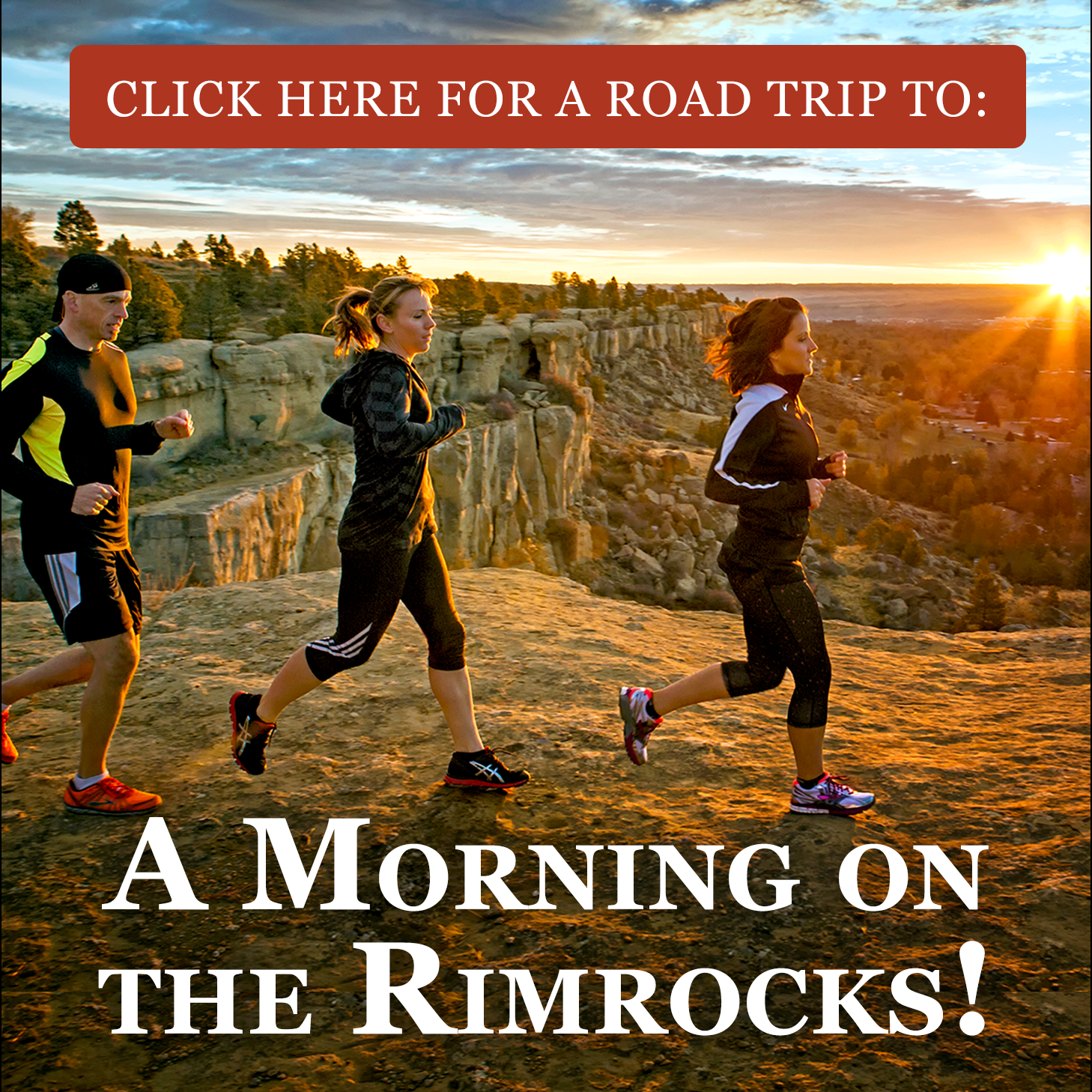
The community offers open space and a western pace with the beauty and grandeur of Yellowstone National Park and the scenic Beartooth Highway. There is history nearby with the Custer’s Last Stand and Pompey’s Pillar National Monument from the Lewis and Clark Expedition nearby. Billings features the Western heritage Center, the Yellowstone Art Museum, the Yellowstone County Museum, the Yellowstone Wildlife Sanctuary and ZooMontana. You can take in fly fishing and horseback riding, to walking the city’s trails along the sandstone Rimrocks, or the Historic Walking Brewery Tour, you will appreciate the experiences and memories made for a lifetime to come.
36. Miles City
On I-94. 1880’s-era Main Street, the Range Riders Museum, a 1900’s-era saloon, annual Bucking Horse Sale and Rodeo, art galleries and activities that focus on Montana’s Cowboy Heritage.
37. Terry
On I-94 has the Prairie County Museum and the famous Evelyn Cameron Gallery featuring Cameron’s photos of life on Montana’s High Plains in the early 1900s.
38. Glendive
On I-94. Features Makoshika State Park, Montana’s largest state park.
Visitors can also enjoy the Makoshika Dinosaur Museum, a Montana Dinosaur Trail member, and the Glendive Dinosaur and Fossil Museum.
39. Circle
East of Jordan on MT 200 en route to Glendive or Sidney is home to the McCone County Museum.
40. Jordan
On MT 200. East to Sidney and south to Miles City on MT 59. Jordan features the Garfield County Museum.
Idaho
41. Salmon, ID
At the intersection of ID 28 and US 93. Salmon is a primary stop along the historic trail.
The Sacajawea Interpretive, Cultural and Educational Center tells the story of the Lemhi Shoshones and houses a major collection of artifacts and interpretive displays and has historic re-enactment events.
42. Lemhi Pass
The Sacajawea Historic Byway – follows ID 28 south from Salmon into the land of the Lemhi Shoshone.
Sacajawea’s people played a key role in the success of the Corps’ mission by providing a guide and horses to get over the Bitterroot Mountains. Lemhi Pass south of Salmon is the location where the Corps first tried to cross the Continental Divide.
43. Lolo Pass
Trail travelers can follow US 93 north from Salmon to Lolo, Montana and turn west on US 12 to begin the trek over the Bitterroots.
Travelers’ Rest State Park is a great place for visitors to start their journey. The Lewis and Clark Trail across the Bitterroots just north of US 12 has been considered one of the most rugged sections of the historic route. There are a number of trail sites on seasonal US Forest Service roads that can be reached with four-wheel drive vehicles. But visitors should call the Clearwater National Forest offices at (208) 926-4274 before adventuring.
44. The Nez Perce Indian Reservation
On US 12. The Corps followed the Lochsa River to the present town of Kooskia, to the land that would become the Nez Perce Reservation.
The Nez Perce National Historical Park Visitor Center at Spalding, features displays, priceless artifacts, and programs on the history of the Nez Perce people. At Spalding there is an outdoor interpretive trail with the history of the 1877 war and flight of the Nez Perce. The Community Center in Weippe and the Clearwater Historical Museum in Orofino on US 12 bring to life the exciting history of the Lewis and Clark Expedition with displays, murals, and artifacts.
Kamiah is a wonderful focal point for your Northwest Passage Scenic Byway adventure. The town is your gateway to a number of recreational opportunities. The Kamiah Valley Museum features exhibits on Lewis and Clark, early farming, Mammoth bones, and authentic crafts of the Nez Perce. Kamiah is surrounded by history, including the Long Camp where Lewis and Clark stopped in 1806, and the Heart of the Monster monument marking the site of a Nez Perce creation story.
45. Lewiston
On US 12. This beautiful city at the confluence of the Snake and Clearwater Rivers treasures its close connections with the Corps of Discovery and the Nez Perce people.
The Lewis and Clark Discovery Center at the Hells Gate State Park features a film on the Lewis and Clark Expedition in Idaho and indoor and outdoor exhibits. Eleven miles east of Lewiston on US 95 is the Nez Perce National Historical Park Visitor Center at Lapwai which displays a Lewis and Clark Peace Medal from the Expedition and Nez Perce beadwork. The Hells Canyon National Recreation Area is south of Lewiston. Hells Gate State Park where the Discovery Center is located has a fine beach and park play area. Brock’s in the Towne Square provides live music and upscale dining.
While in Idaho, travelers can journey off the Lewis and Clark National Historic Trail to enjoy the beauty and availability of scenic byways that lead to some of Idaho’s other great vacation destinations such as:
46. Coeur d´Alene
On I-90. Visitors can drive north on US 95 following the White Pine or Coeur d’ Alene Scenic Byways to one of the Northwest’s most outstanding vacation areas.
47. Idaho Falls
On US 91. The Sacajawea Historic Byway through the Lemhi Valley to Mud Lake links with the Mesa Falls and Teton Scenic Byways and the Fort Henry Historic Byway north of Idaho Falls near both Yellowstone and Grand Teton National Parks.
48. Boise
On I-84. The Hells Canyon, Payette River and Snake River Scenic Byways and the Western Heritage Historic Byway fan out from Boise, Idaho’s Capitol City.
49. Sun Valley/Ketchum
The famed year-round resort city of Sun Valley with historic Ketchum nearby attracts visitors from around the world.
Trail travelers can follow the beautiful Salmon River, Sawtooth and Ponderosa Pine Scenic Byways.
Washington
50. Clarkston
On US 12. Twin cities Lewiston, Idaho and Clarkston, Washington provide access to Hells Canyon on the Snake River, the deepest gorge in North America, where travelers can enjoy unique canyon vistas. Clarkston has riverside parks, water sports, museums and art galleries.
51. Spokane
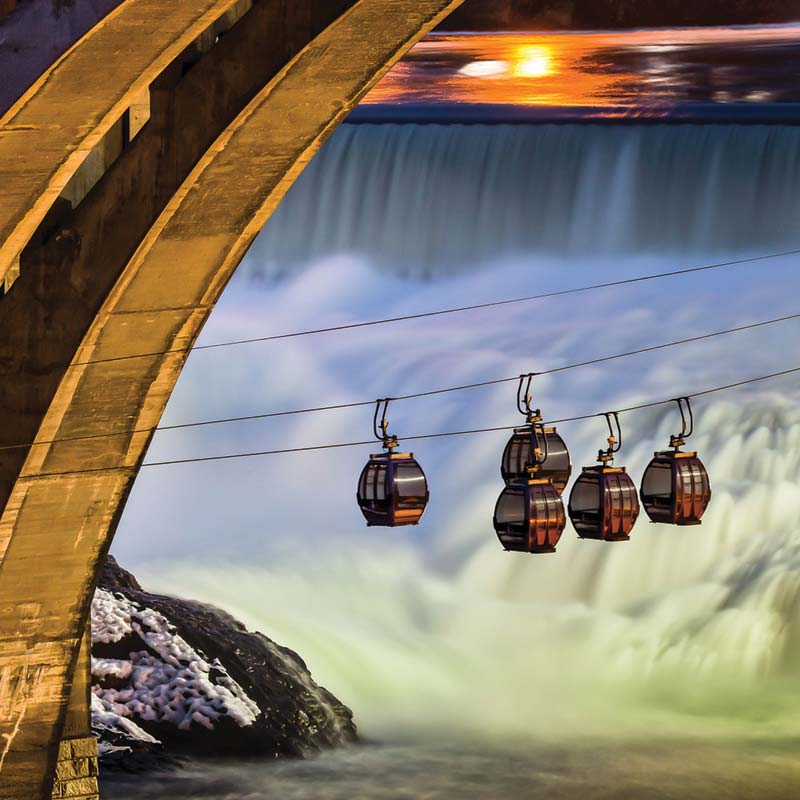
Spokane is the gateway to a delightful array of things to do, grand adventures to experience, and awesome sights to see, starting with the Spokane River Cascading Waterfalls that roar through the heart of the city.
Riverfront Park frames the Spokane Falls. The falls were the centerpiece of the 1974 World’s Fair. The Skyline Gondola Ride provides great views of the falls and the city. The nearly 40-mile Spokane River Centennial State Park and Trail follows the Little Spokane and Spokane Rivers through Spokane all the way to the Idaho border. The Trail links up with Riverfront Park, Riverside State Park, Lake Spokane, and Nine Mile Recreation Area. The combination of cascading waterfalls plus an array of outdoor recreation adventures in Riverside State Park, Washington state’s largest, has established Spokane as one of the nation’s unique outdoor recreation destinations.
52. Pomeroy
On US 12. Travelers can enjoy fishing and hunting in the Blue Mountains and go deep into the basalt canyons of the Weneha-Tucannon Wilderness Area where wild elk, bighorns, black bears and cougars roam.
53. Dayton
South of Pomeroy on US 12 has 117 historic homes and buildings listed on the National Registry of historic places. Lewis and Clark Trail State Park sits between Dayton and Waitsburg, on the Touchet River. The park offers camping, interpretive trails and markers and fishing access. The Patit Creek Campsite east of Dayton re-creates the Corps’ campsite from May 2, 1806, with life-size metal silhouette sculptures of every member of the expedition and historical signs.
54. Walla Walla
On US 12. Walla Walla features the Fort Walla Walla Museum and Pioneer Village Park, one of 18 parks in the community.
Nearby is the Whitman Mission National Historic Site. Walla Walla’s downtown restoration features unique restaurants, art galleries, boutiques and special events.
55. Richland, Kennewick and Pasco
On I-182. The “Tri-Cities” are strategically located at the confluence of the Snake, Yakima and Columbia rivers in south-central Washington and offer a variety of memorable sights to see and things to do.
Sacajawea State Park and Interpretive Center in Pasco is one of the key stops on the Lewis and Clark National Historic Trail. The park is a Confluence site featuring several story circle sculptures by artist Maya Lin. The park is located on the 23-mile riverfront Sacajawea Heritage Trail that connects the three communities. The Hanford Reach National Monument near Richland is the only free-flowing non-tidal stretch of the Columbia River and hosts an abundance of wildlife.
56. Yakima
On I-82. Trail travelers can journey off the Trail to take a side trip up the Yakima Valley that is world-renowned for its agricultural abundance and orchards on the fertile lands bordering the river.
The valley is the most productive agricultural region in the state. Yakima’s unique agricultural heritage is portrayed at the Yakima Valley Museum in Yakima and the Central Washington Agricultural Museum in nearby Union Gap. State parks, including Yakima Sportsman in Yakima and Fort Simcoe in nearby White Swan, are popular vacation stops. The Yakama Nation Cultural Heritage Center in Toppenish presents the history and culture of the 14 confederated tribes of Yakama Indian Reservation.
Washington state trail travelers can follow US 97 up from Goldendale through the Yakama Indian Reservation to the city of Yakima. Just past the city, travelers can choose to take US 12 which leads to the White Pass Scenic Byway and the All American Chinook Pass Scenic Byway west to Mount Rainier National Park on SR 410. The White Pass Scenic Byway on US 12 originates in Yakima and takes visitors along the Cowlitz River and Riffe Lake north of Mount St. Helens to the I-5 corridor.
57. The Columbia River Gorge
On SR 14. The Columbia was once a wild, free-flowing river that grew in size and fury as it gouged and smashed its way through the Cascade Mountains on its way to the Pacific in prehistoric days.
The river has been tamed by a series of dams from the McNary Lock and Dam west of Plymouth to the Bonneville Lock and Dam west of Stevenson. The river is much calmer now, but the views are just as spectacular. Trail travelers following SR 14 through the Columbia River Gorge will find an array of parks, attractions, activities and events along the way.
58. Goldendale
On SR 142. The Goldendale Observatory State Park offers stargazers a close-up view of the universe.
Goldendale is home base for visitors to observe the annual bluebird migration. Maryhill State Park features abundant natural beauty and a shoreline on the Columbia River with camping and day use along the river.
59. Columbia Hills State Park
On SR 14. This scenic state park with a 7,500-foot shoreline on the Columbia River includes Horsethief Lake, which is a National Historic Site.
Horsethief Butte dominates the skyline around the lake like an ancient castle. Visitors enjoy hiking, camping, non-motorized boating, freshwater fishing and wildlife viewing.
60. White Salmon
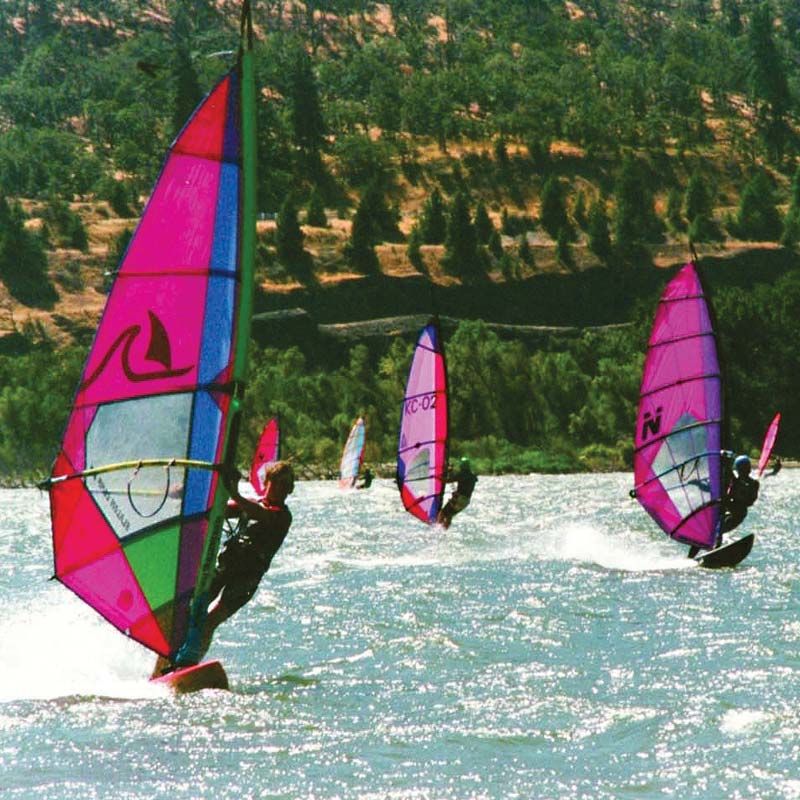
On SR 14. Kite boarding and windsurfing enthusiasts take to the Columbia between White Salmon, Bingen and Stevenson on the Washington side of the river.
White Salmon’s Historic Main Street is alive with shoppers, diners and studios. The Columbia River Gorge Interpretive Center Museum in Stevenson is a favorite stop.
61. Beacon Rock State Park
On SR 14 is one of most spectacular sites on the Trail.
The huge rock is actually the core of an ancient volcano. The park offers hiking, interpretive trails and markers, camping boating, and a trail to the top of Beacon Rock. It was here that the Corps of Discovery first felt the tidal forces of the ocean on their dugout canoes. The Bonneville Lock and Dam is adjacent to the Fort Cascades Interpretive Site.
62. Camas
On SR 14. Vacationers can drive north on SR 500 and 503 to see dynamic views of Mount St. Helens National Volcanic Monument and the scenic beauty of Mount Adams.
63. Washougal
On SR 14. Trail travelers visit the Pendleton Woolen Mills Factory.
Reed Island State Park is nearby, access by boat only.
64. Vancouver
On I-5. Vacationers can go parasailing on the Columbia, stroll along the historic waterfront with its large outdoor sculptures and promenade on the grounds of the historic Fort Vancouver National Historic Site, which includes a replica of the 1825 Hudson Bay Company’s trading post and its ancillary buildings. Today, the mid-19th century fur trading post comes alive when interpreters re-enact the fort’s history from the early 1820’s to World War II.
65. Kelso
On I-5. The Trail continues north along the Columbia on Interstate 5 to Kelso, then heads west on SR 4 to Skamokawa Vista Park.
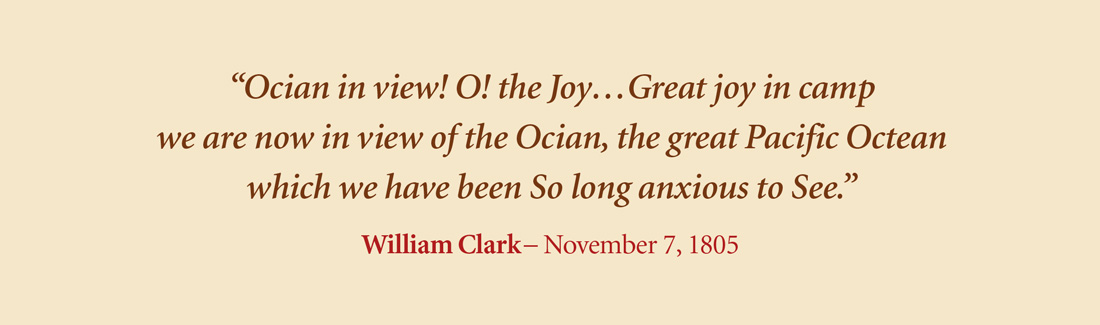
It was near the present-day park, downriver from Pillar Rock, where Clark wrote in his journal, “Great joy in camp. we are in View of the Ocian.”
66. Chinook
On US 101. The Corps proceeded on in the dugout canoes and found safe haven at Station Camp, a protected beach where the Corps ended its westward journey by canoe.
The site served as a base camp while the Corps explored the Pacific Ocean shoreline at Cape Disappointment.
67. Cape Disappointment State Park
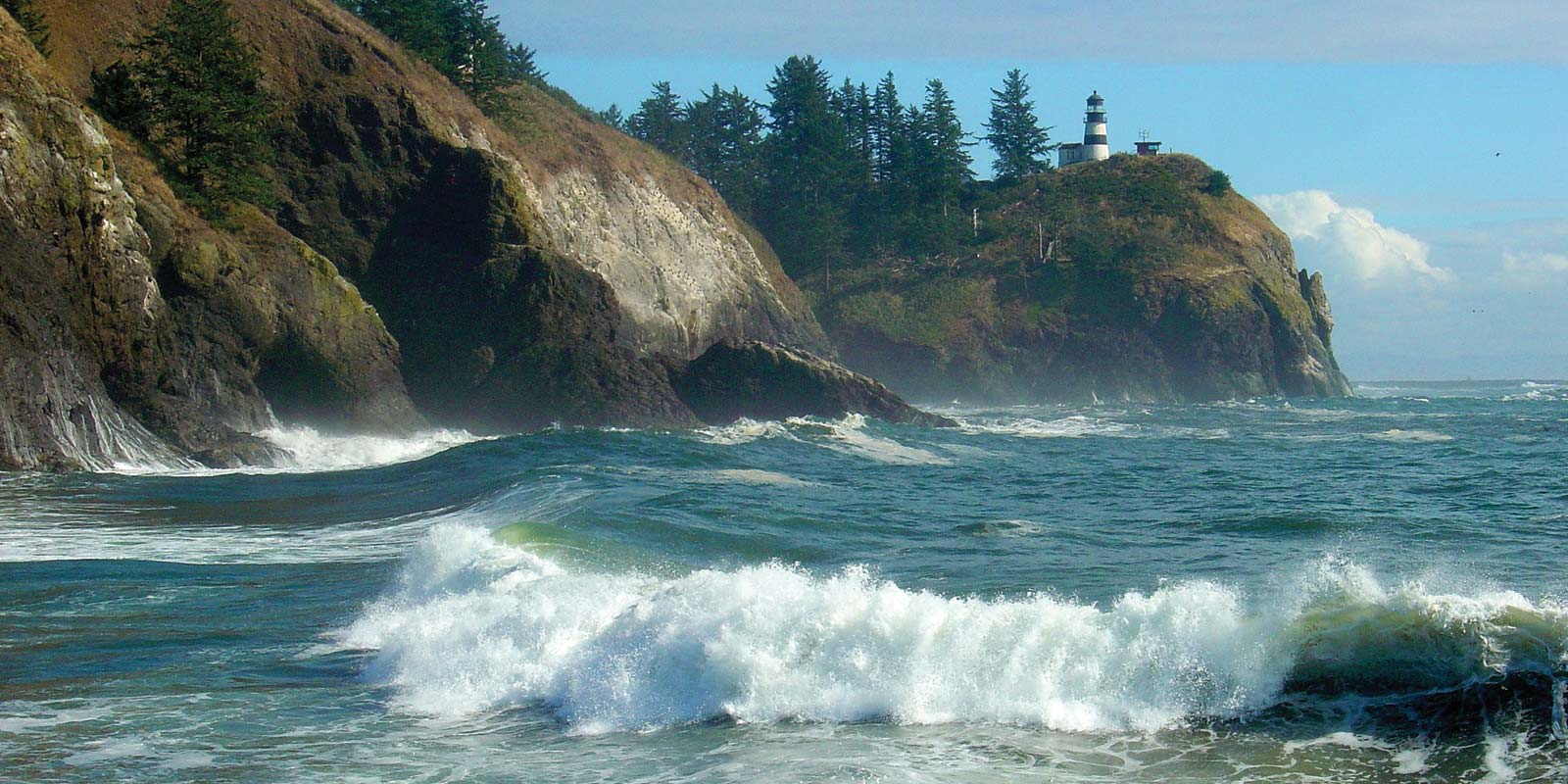
On SR 100. From November 15 to 24, 1805, both Lewis and Clark led separate groups overland to view the Pacific Ocean near Cape Disappointment, a massive headland jutting out into the Pacific 200 feet above the mouth of the Columbia River.
Now a state park, Cape Disappointment is the location of the Lewis and Clark Interpretive Center, which is accessible on SR 100. A series of mural-sized timeline panels in the center guide visitors through the entire westward journey of the Corps using sketches, paintings, photographs, artifacts and the words of Corps members themselves. The center also features a film presentation and a glassed-in observation deck with fabulous views of the river, headlands, and ocean.
68. Long Beach Peninsula
On SR 103. The 28-mile Long Beach Peninsula is one of the Pacific Coast’s most enjoyed vacation destinations.
Five state parks including Cape Disappointment, Fort Columbia, Loomis Lake, Pacific Pines and Leadbetter Point offer fun and year-round activities. From Ilwaco you can head north to Seaview and its Victorian-era architecture, festive Long Beach with kite shops, horseback riding, ice cream stands and more, Klipsan Beach, and the village of Ocean Park, then continue north on the Willapa Bay Side of the Peninsula to Nahcotta, Oysterville and Leadbetter Point State Park for great bird watching. Friendly volunteers at the Long Beach Peninsula Visitor Center at the junction of SR 103 and US 101 in Seaview can point out outstanding restaurants, fresh seafood markets and other points of interest.
Oregon
69. Fort Clatsop
US 101/26. Visitors can symbolically, begin their journey at the Lewis and Clark National Historic Park at Fort Clatsop near the mouth of the Columbia River.
The small log stockade has been re-created as it was when the Corps of Discovery built it and wintered there from December 7, 1805 to March 23, 1806. The National Park Service operates an Interpretive Center, Exhibit Hall and Gift Shop nearby. Visitors will find exhibits, re-enactors, interpretive programs, trails and information about the many lower Columbia River and coastal tribes who helped the Corps during their winter stay, including the Clatsop, Chinook and Tillamook peoples.
70. Astoria and Fort Stevens State Park
On US 30 and 101. Astoria is north of Fort Clatsop where the Columbia River meets the Pacific Ocean.
It is the oldest North American settlement west of the Rocky Mountains. Astoria offers an array of activities, attractions, and events. The Columbia River Maritime Museum attracts many visitors and the historic downtown district features galleries, boutiques and fine seafood restaurants.
71. Seaside
On US 101. Located 16 miles south of Astoria, Seaside is Oregon’s first coastal vacation resort where visitors can try their hand at building sandcastles, walk the boardwalk, visit the Seaside Aquarium and ride the carousel. Seaside is also the location of “The Salt Works” historic site where the Corps made salt for the winter and for their return journey. Southwest of Seaside visitors can see the Tillamook Head coastal cliff where Clark, Sacagawea and several other members of the Corps hiked over to see the skeletal remains of a beached whale at present-day Cannon Beach, and to purchase fresh whale meat and blubber for a change-of-diet from elk.
72. Cannon Beach
On US 101/26. Visitors can enjoy Oregon’s scenic vistas along the Pacific Coast’s 362-mile public shore.
Famed landmark Haystack Rock is best seen at low tide where visitors can walk the tide pools to its base and view nesting birds flying around this natural wonder.
73. Portland
On I-84/5. One of the Pacific Northwest’s most inviting gateway cities.
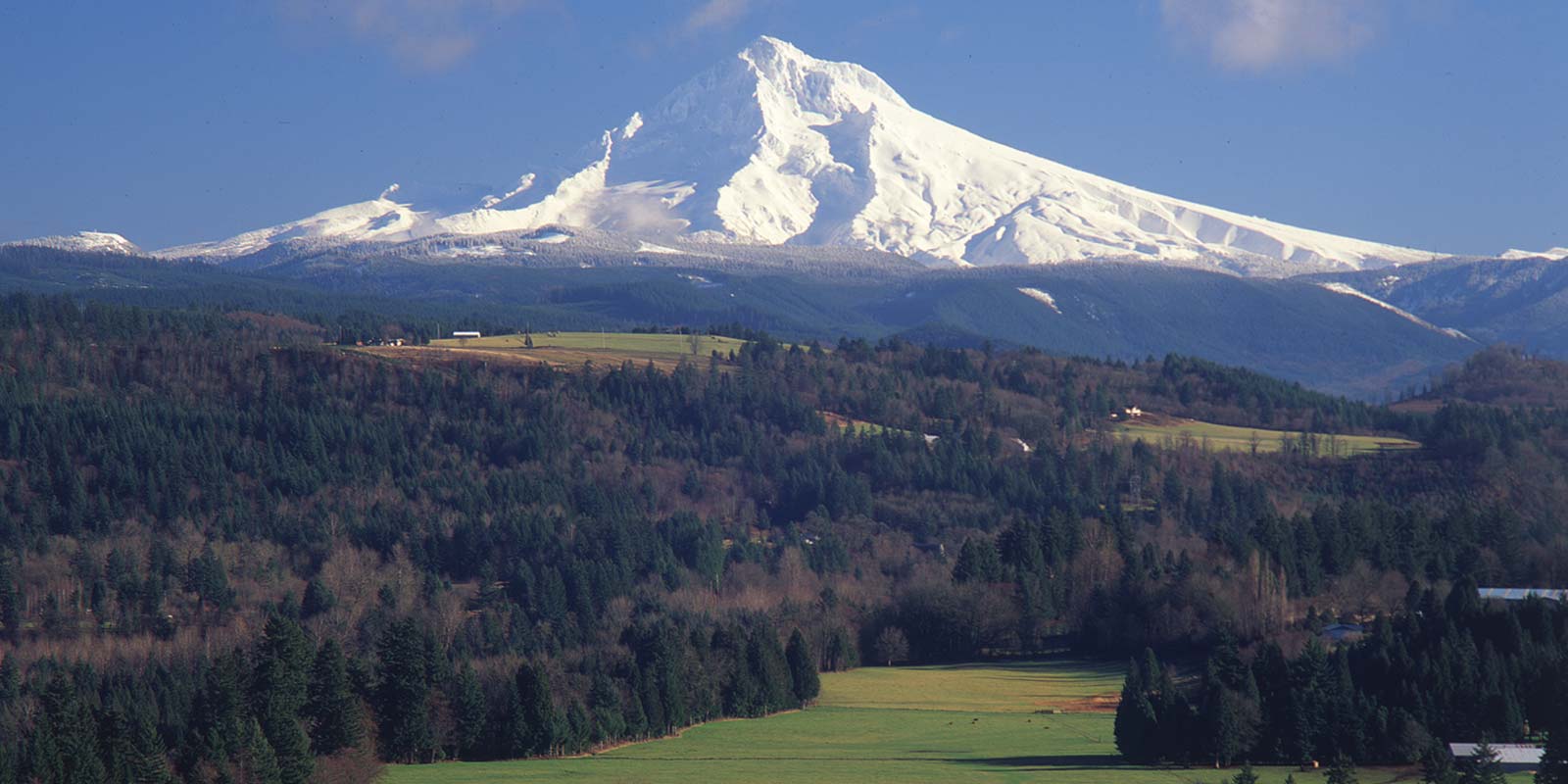
Colorful festivals and year-round events, wildwood trails in Forest Park, the International Rose Test Garden, fertile orchards to the south and west, and the ever-present vista of Mount Hood make Portland easy to like and hard to leave. Portland’s downtown is recognized as among the best. The Keller Auditorium offers opera, ballet and musicals. Visitors can cruise the river on the Portland Spirit and tour the gorge on the Columbia Gorge Sternwheeler.
74. Historic Columbia River Highway Scenic Byway
On I-84 east of Portland. Visitors can take Exit 17 off of I-84 to Troutdale, then drive to the Sandy River where the Corps of Discovery camped in 1805.
Visitors can then proceed on to Springdale and Corbett for sightings of Mount Hood. The scenic overlook at Chanticleer Point provides the first glimpse of the Columbia River and the Gorge. The route continues on to historic Vista House at Crown Point. Built as a memorial to the pioneers, it offers an inspiring view of the Columbia Gorge and the mountains of the Cascade Range. Continuing on, vacationers are soon surrounded by mossy trees and a series of remarkable waterfalls, then come into view of Multnomah Falls as it free falls 620 feet from the mountains above the Columbia River Gorge National Scenic Area. Many sections of historic Highway 30 are open now to hiking and bicycling as the Historic Columbia River Highway State Trail.
75. Bonneville
On I-84. The Historic Byway joins I-84 at Dodson while passing near Oneonta Gorge, a botanical paradise.
The visitor center at Bonneville Lock and Dam offers visitors the chance to look through underwater windows at Chinook and Coho Salmon jumping their way up fish ladders each fall.
76. Hood River
On I-84. Kite boarders and windsurfers can test their skills on the choppy Columbia River at Hood River.
They can take lessons, rent gear and give the soaring sport a try. The Hood River Waterfront Park, History Museum and Western Antique Aeroplane and Automobile Museum at the Municipal Airport add a diversity of things to see and do. Those who want a closer look at Mount Hood can exit the Interstate at Hood River and follow SR 35 and US 26 on the Mt. Hood Scenic Byway back to Portland.
77. The Dalles
Trail travelers continuing east on I-84 to The Dalles are reminded of the Columbia when it was a free-flowing wild river that William Clark described as, “gut-swelling, boiling and whorling all around.” The Dalles today is the largest city in the Gorge and is home to many high tech businesses.The downtown features century-old buildings and historic murals. The Columbia River Gorge Discovery Center offers fascinating exhibits on the Lewis and Clark Expedition and the area’s unique geological history.
78. Arlington
On I-84. Vacationers can try windsurfing and kiteboarding at the Port of Arlington.
They can venture off the Trail south of Arlington to enjoy the Blue Mountain and Elkhorn Drive Scenic Byways.
79. Umatilla
On I-84. East of Umatilla at McNary Lock and Dam is the Pacific Salmon Visitor Information Center, and portions of the McNary Wildlife Refuge. At Lake Wallula, created by the dam, anglers can fish for bass, walleye and sturgeon.
80. Pendleton
On I-84. Visitors can enjoy the world-famous Pendleton Round-Up each September where they’ll see the Happy Canyon Indian Pageant and Wild West Show, the Round-Up Hall of Fame and the Pendleton Woolen Mills, known for their Native design inspired trade blankets. East of Pendleton is the Tamástslikt Cultural Institute one of two tribally-owned museums on the trail in the Pacific Northwest region. The museum is one of True West magazine’s Top Ten Western Museums and provides fascinating exhibits and programs on the history and culture of the Cayuse, Umatilla, and Walla Walla peoples.
81. La Grande
On I-84. The Oregon Trail Interpretive Park is north of La Grande.
The Grande Tour Route and Scenic Bikeway takes visitors to the beautiful Grand Ronde (big, round) valley located between the Elkhorn, Blue and 10,000-foot peaks of the Wallowa Mountains.
82. The Hells Canyon Scenic Byway
The Byway crosses the Grande Ronde Valley and links with SR 82.
Visitors can follow the 208-mile loop around the Wallowa Mountains. As travelers drive along this amazing Byway they will come upon the Hells Canyon National Recreation Area. Joseph, Oregon is the start of the Nez Perce (Nee-Me-Poo) National Historic Trail.
This project is funded in part by our program partners including the National Park Service Lewis and Clark National Historic Trail. Montana: Montana Tourism, Visit Billings, Central Montana, Southwest Montana, Montana’s Missouri River Country. Washington: Washington State Parks & Recreation Commission, Visit Spokane, Long Beach Peninsula Visitors Bureau. Oregon: Oregon State Parks, Oregon Department of Transportation, Eastern Oregon Visitors Association, Travel Oregon, Oregon’s North Coast, Mt. Hood and the Columbia River Gorge
© 2012–2020 The Middle Missouri River Lewis and Clark Network